A Star Is Born: The Early Life of Maureen McCormick

Before the cameras, before the fame, and long before she became a household name, Maureen McCormick was just a kid growing up in sunny Encino, California. Born on August 5, 1956, her early life looked like something straight out of suburban America—quiet streets, family routines, and childhood dreams waiting to take shape.
But here’s the thing: some people are just wired differently. Even as a young girl, Maureen had that spark. You know the kind—it’s hard to explain, but impossible to ignore. She gravitated toward performing like a moth to a flame, diving into school plays and musical productions with natural ease. Her charisma didn’t just show—it demanded attention.
Soon enough, that charm landed her roles in commercials. One ad turned into another, and before long, she was no longer just a hopeful young performer—she was on a clear path to something bigger. What no one realized at the time was just how massive that “something” would become.

The Role That Defined a Generation: The Brady Bunch
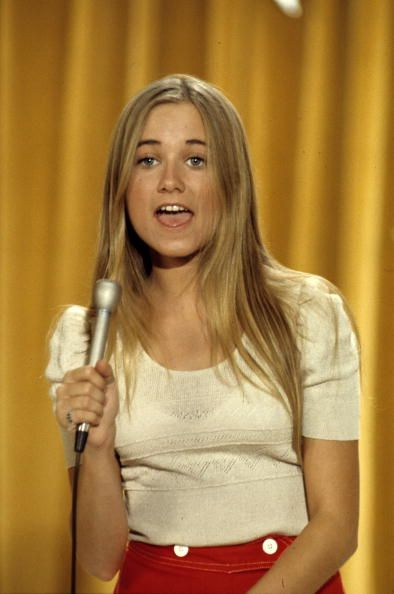
Let’s be honest—some roles don’t just make actors famous; they define entire eras. That’s exactly what happened in 1969 when Maureen stepped into the role of Marcia Brady.
As the eldest daughter in The Brady Bunch, she became the embodiment of the “perfect” American teenager. Beautiful, confident, and effortlessly likable, Marcia Brady wasn’t just a character—she was an ideal. And audiences couldn’t get enough.
Think about it: catchy moments, sibling rivalries, relatable family chaos—it all came together in a way that felt real yet aspirational. Marcia’s presence anchored the show, making her one of the most recognizable faces of the 1970s.

But here’s the twist—while millions saw perfection on screen, reality was telling a very different story behind the scenes.
Behind the Smile: The Hidden Struggles of Fame
Fame can feel like a spotlight—but it can also feel like a microscope. Every move, every expression, every flaw gets magnified. For Maureen, the pressure to maintain that “all-American girl” image became overwhelming.
Imagine being constantly expected to live up to a fictional version of yourself. Sounds exhausting, right? That’s exactly what she faced.
When The Brady Bunch ended in 1974, the transition wasn’t smooth. Like many actors tied to iconic roles, she found herself boxed in—typecast and struggling to break free. But the deeper battle wasn’t professional—it was personal.
She wrestled with addiction and mental health challenges, issues that clashed sharply with the cheerful persona the world associated with her. It was a stark reminder that even those who seem to “have it all” can be fighting silent battles.
Falling Down, Getting Back Up: A Story of True Resilience
Here’s where Maureen’s story shifts from fame to something far more powerful—resilience.
She didn’t stay stuck. Instead, she made a decision that changed everything: she chose to confront her struggles head-on. And let’s not sugarcoat it—that’s never easy. Facing addiction and mental health issues requires courage most people underestimate.
Through determination, support, and relentless effort, she rebuilt her life piece by piece. It wasn’t overnight, and it wasn’t perfect—but it was real.
In 2008, she opened up in her memoir, Here’s the Story: Surviving Marcia Brady and Finding My True Voice. The book didn’t just tell her story—it stripped away the illusion. She shared the highs, the lows, and everything in between with raw honesty.
Readers connected deeply with her vulnerability. Why? Because authenticity cuts through noise. Her story wasn’t just about survival—it was about transformation.
More Than One Role: Expanding Beyond Marcia Brady
It’s easy to assume that Maureen’s career began and ended with Marcia Brady. But that couldn’t be further from the truth.
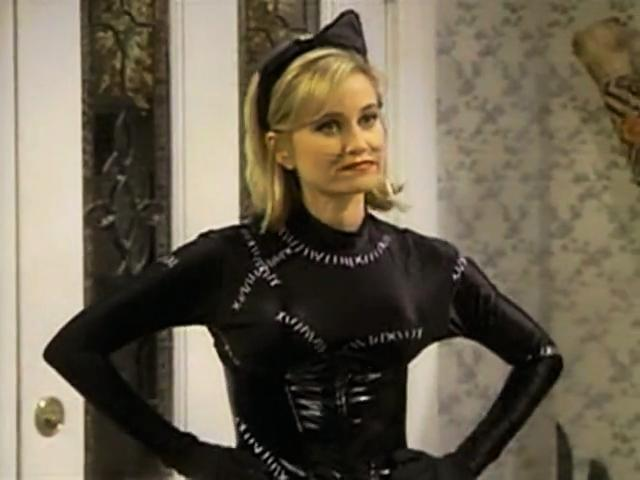
Over the years, she explored television, film, and stage performances, proving she wasn’t defined by a single character. She even ventured into music, releasing a country album titled When You Get a Little Lonely in 1995—a move that showcased yet another layer of her creativity.
And then came reality TV. Her appearance on Dancing with the Stars in 2016 reintroduced her to a new generation. Audiences didn’t just see a former teen idol—they saw a woman with depth, humor, and resilience.
It’s like watching someone rewrite their own narrative in real time.

Speaking Out: Advocacy and Real Connection
In recent years, Maureen has stepped into a role that arguably matters more than any she’s played before—advocate.
She’s been vocal about mental health awareness and addiction recovery, using her platform to spark meaningful conversations. And here’s why that matters: when someone with her visibility speaks openly, it gives others permission to do the same.
Through interviews, public appearances, and social media, she stays connected with fans—not as a distant celebrity, but as someone who understands struggle and growth.
It’s not about perfection anymore. It’s about honesty.
A Legacy That Goes Beyond Television
So what defines Maureen McCormick’s legacy?
Is it her role in The Brady Bunch? Absolutely—that’s the foundation. But it’s not the whole story.
Her real legacy lies in her evolution. She transformed from a symbol of idealized youth into a voice of authenticity and resilience. She showed that success isn’t about avoiding hardship—it’s about how you respond to it.

Her journey reminds us of something powerful: life doesn’t follow a script. And sometimes, the most meaningful chapters come after the spotlight fades.
Conclusion: Reinvention, Redemption, and Real Strength
Maureen McCormick’s story isn’t just about fame—it’s about what happens after the applause.
She went from being America’s sweetheart to facing deeply personal struggles, and then to rebuilding her life with courage and honesty. That kind of transformation doesn’t just inspire—it resonates.
We often think of success as a straight line, but her journey proves it’s anything but. It’s messy, unpredictable, and sometimes painful. Yet, it’s also full of opportunity for growth.
In the end, Maureen didn’t just play an iconic character—she became a symbol of resilience. And maybe that’s the most compelling role of all.