Chapter 1: The Pew She Never Stopped Saving
Every Sunday for nearly two years, Margaret Hale sat in the same wooden pew at St. Andrew’s.
Third row from the front.
Left side of the center aisle.
And no matter how crowded the church became, Margaret always left one space beside her empty.
Most people assumed it was habit.
A few knew better.
That seat had once belonged to her daughter, Anna.
Before the argument.
Before the suitcase.
Before the final slammed door.
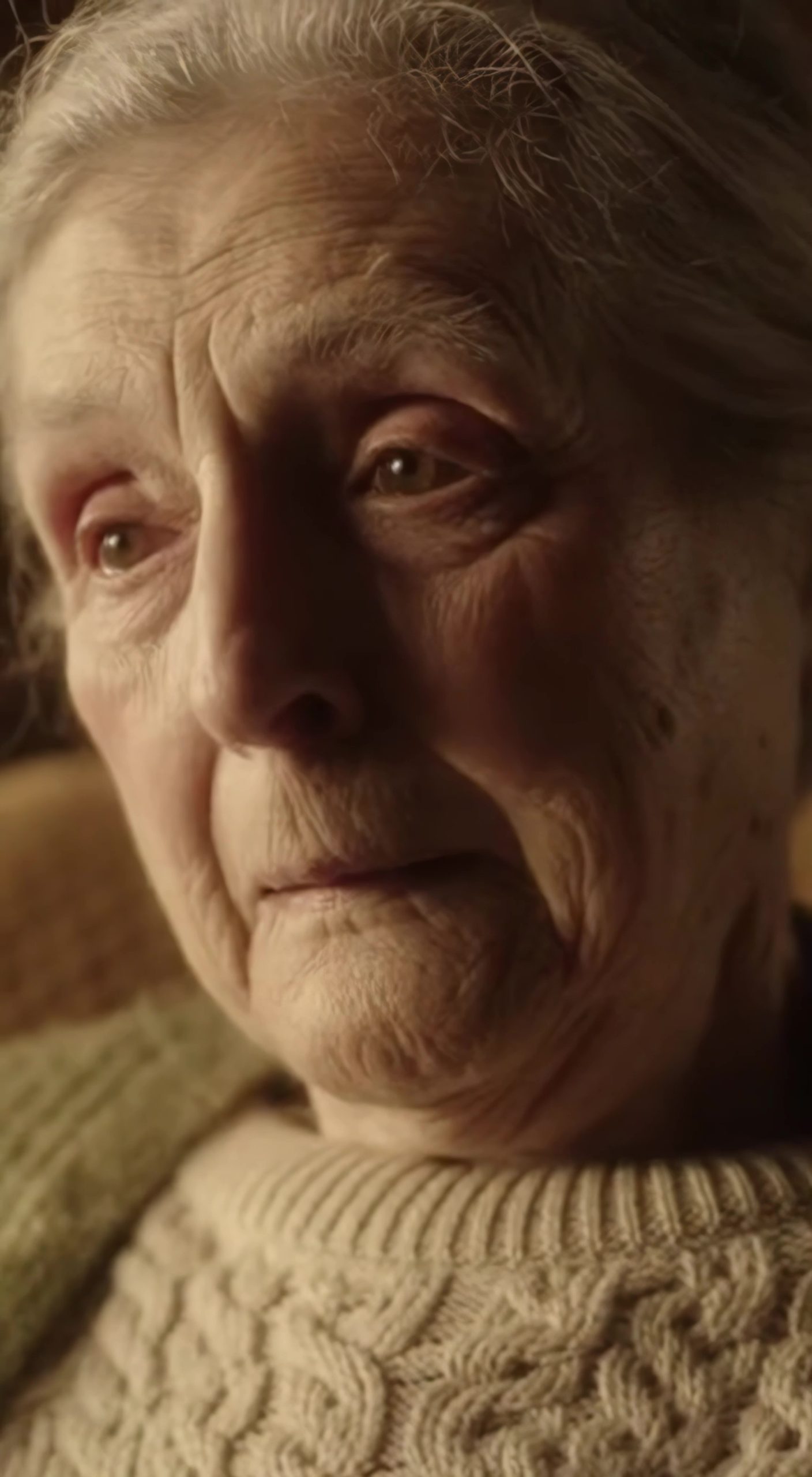
Margaret was sixty-seven now, a retired elementary school secretary with silver hair she pinned neatly at the back of her head. She had spent most of her adult life in the same Ohio town, in the same modest brick house, surrounded by neighbors who knew exactly when her porch light came on and exactly when something in her family went wrong.
Small towns could be comforting that way.
They could also be cruel.
Anna had left after a bitter disagreement over her decision to move to Seattle for a career opportunity.
Margaret had wanted her to stay.
Anna had wanted her mother to understand.
Neither had chosen their words carefully.
“You’re always looking for a reason to leave,” Margaret had said.
“And you’re always looking for a reason to make me feel guilty for living my own life,” Anna replied.
It was the last real conversation they had.
Anna left the next morning.
For months, Margaret expected a call.
Then she expected a Christmas card.
Then a birthday message.
Eventually, she learned not to expect anything.
Still, she kept the seat beside her empty.
That Sunday, the church was almost silent when Margaret arrived early.
Sunlight passed through stained glass and painted soft colors across the aisle.
She sat down, folded her hands, and closed her eyes.
That was when Eleanor Price slid into the pew behind her.
Eleanor was the kind of woman who knew everyone’s business before they knew it themselves.
“Morning, Margaret.”
Margaret turned.
“Morning.”
Eleanor glanced at the empty place beside her.
“You’re still saving that seat?”
Margaret’s expression tightened.
“It isn’t bothering anyone.”
“I suppose not.”
Eleanor lowered her voice.
“But after this long, maybe you should stop waiting.”
Margaret looked toward the altar.
“I’m not waiting.”
Eleanor gave the little sympathetic smile Margaret hated most.
“Of course.”
Then she added quietly:
“Some children simply build new lives. We have to let them.”
Margaret said nothing.
But as the service began, those words settled heavily inside her.
Some children simply build new lives.
For the first time in two years, Margaret wondered if keeping the seat empty had become foolish.
She reached for her purse.
Inside was a photograph of Anna at sixteen, laughing beside the church Christmas tree.
Margaret touched its worn edge.
Then she whispered something no one else heard.
“If she’s happy, let that be enough.”
What Margaret didn’t know was that thirty miles away, Anna was sitting in a parked car, gripping the steering wheel and trying to find the courage to walk through the church doors.
Chapter 2: The Story Everyone Thought They Knew
People in town believed Anna had abandoned her mother.
That was the easy version.
The truth was more complicated.
Anna had moved west because she had been offered a position with an architectural firm she had dreamed of joining since college.
Margaret had known that.
What Margaret had not known was how much Anna had struggled after leaving.
The new job demanded everything.
Long days.
Weekend deadlines.
Constant pressure to prove herself.
Then, six months after moving, Anna lost the position during a company restructuring.
She told almost no one.
Especially not Margaret.
Pride worked in both directions.
Anna believed returning home would prove her mother had been right.
Margaret believed calling first would excuse the things Anna had said.
So two people who loved each other waited for the other one to move.
Months turned into a year.
Then another.
There had been near-calls.
Anna once dialed her mother’s number on Thanksgiving and hung up before it rang.
Margaret wrote three letters but never mailed them.
Neither knew.
Meanwhile, Eleanor filled in the silence with assumptions.
At a church luncheon, she told another woman, “Margaret gave that girl everything, and the moment she got a fancy job, she disappeared.”
Someone repeated it.
Then someone else.
Eventually, Anna became a cautionary tale.
The ambitious daughter who had forgotten home.
Margaret never corrected anyone.
Partly because explaining hurt too much.
Partly because, deep down, she feared they were right.
Then, two weeks before that Sunday, Margaret suffered a minor fall in her kitchen.
She wasn’t seriously injured, but word traveled.
It reached Anna through an old high-school friend.
Your mom is okay, the message said. But I thought you should know.
Anna read it three times.
That night she booked a flight.
She didn’t tell Margaret.
She didn’t even know what she planned to say.
When she arrived in Ohio, she stayed at a motel twenty minutes away because she still wasn’t ready to go home.
Saturday night, she drove past the old house.
The porch light was on.
Her mother’s curtains were the same.
The maple tree Anna used to climb had grown taller than the roofline.
She cried in the car.
The next morning, she remembered where Margaret would be.
St. Andrew’s.
Third row.
Left side.
And probably one seat left empty.
Chapter 3: The Doors Opened
The final hymn had just ended when Margaret remained behind.
Most people had begun leaving.
Eleanor stopped near the aisle.
“Coming to coffee downstairs?”
“In a minute.”
Eleanor nodded and walked away.
Margaret stayed seated.
The sanctuary became quiet again.
She clasped her hands under her chin and tried to steady herself.
She was tired of being angry.
Tired of pretending she didn’t miss Anna.
Tired of defending her daughter in her own mind while letting everyone else believe the worst.
“I should have called,” she whispered.
Her voice broke.
“I should have called.”
Then the heavy church doors opened.
A line of bright morning light stretched across the floor.
Margaret did not turn immediately.
She assumed it was another parishioner leaving.
Then she heard footsteps.
Slow.
Uncertain.
She looked toward the back.
A woman stood in the doorway.
Dark hair pulled into a simple knot.
Tan coat.
Hands trembling at her sides.
Margaret stared.
For several seconds, the years between them seemed to fill the aisle.
Anna took one step forward.
“Mom?”
Margaret covered her mouth.
Anna’s eyes filled instantly.
“I didn’t know if you’d want to see me.”
Margaret stood so quickly she nearly caught her coat on the pew.
“Anna.”
That was all she managed.
Anna began walking.
Then faster.
Margaret stepped into the aisle.
Halfway between the pews and the doors, they met.
Margaret reached for her daughter’s face first, as though she needed to prove she was real.
Anna began crying.
“I’m sorry.”
Margaret shook her head.
“No. No, sweetheart.”
“I should’ve called.”
“So should I.”
Anna wrapped her arms around her mother.
Margaret held her with the desperation of someone trying to recover two years in a single embrace.
Neither noticed the people standing near the fellowship hall entrance.
But Eleanor did.
She had returned for the gloves she left behind.
And now she stood frozen at the edge of the sanctuary, watching the daughter she had spent two years describing as selfish cling to her mother and cry into her shoulder.
Chapter 4: The Apology No One Expected
Word of Anna’s return spread quickly.
Of course it did.
By Tuesday morning, half the church knew.
But this time, the story was different.
Anna had come home.
She had moved temporarily into Margaret’s spare room.
And instead of leaving again immediately, she arranged to work remotely while deciding what came next.
That Wednesday, Eleanor appeared at Margaret’s front door carrying a lemon pound cake.
Margaret almost laughed when she saw it.
In their town, baked goods frequently arrived just before apologies.
“Come in.”
Eleanor sat stiffly at the kitchen table.
Anna was upstairs on a conference call.
For several minutes, Eleanor discussed weather, church flowers, and an upcoming fundraiser.
Margaret waited.
Finally Eleanor sighed.
“I owe you something.”
Margaret raised an eyebrow.
“Besides cake?”
Eleanor smiled weakly.
“An apology.”
Margaret said nothing.
“I talked too much about Anna.”
“Yes.”
“And I decided I knew what happened when I didn’t.”
“Yes.”
“I thought she had forgotten you.”
Margaret looked toward the staircase.
“So did I sometimes.”
“But you’re her mother. I’m just a woman who enjoys knowing more than she should.”
Margaret almost smiled.
“That may be the most accurate thing you’ve ever said.”
Eleanor laughed despite herself.
Then her expression became serious.
“I told people she chose a career over family.”
“She chose an opportunity.”
“And it didn’t work out?”
Margaret’s eyes sharpened.
“That part isn’t anyone’s business.”
Eleanor nodded immediately.
“You’re right.”
At that moment, Anna walked into the kitchen.
She stopped when she saw Eleanor.
Eleanor stood.
“Anna.”
“Mrs. Price.”
“I owe you an apology too.”
Anna looked surprised.
Eleanor continued.
“I repeated things about you I didn’t know were true. That wasn’t fair.”
Anna glanced at her mother.
Margaret stayed quiet.
This apology belonged to Anna.
Finally Anna said:
“Thank you for saying that.”
Eleanor nodded.
“I hope you’ll forgive me.”
Anna gave a small smile.
“Eventually.”
It wasn’t cruel.
It was honest.
Eleanor accepted it.
Sometimes karma is not losing everything.
Sometimes it is being forced to stand in front of the person you judged and admit that your certainty was built on gossip.
For Eleanor, that was uncomfortable enough.
Chapter 5: The Seat Beside Her
Three months later, Margaret arrived at St. Andrew’s early as usual.
Third row.
Left side.
She placed her purse beside her.
Then paused.
For two years, the seat next to her had represented absence.
Waiting.
Pride.
Regret.
She picked up the purse and moved it to the floor.
A few minutes later, the church doors opened.
Anna walked down the aisle carrying two paper cups.
“You’re bringing coffee into church?”
Margaret whispered.
Anna handed her one.
“You used to hide peppermints in your purse during sermons.”
“That is entirely different.”
Anna sat beside her.
The seat was no longer empty.
Life had not magically repaired itself after the reunion.
There were difficult conversations.
Anna admitted how ashamed she had felt after losing her job.
Margaret admitted that her criticism had sometimes sounded more like control than concern.
They argued.
They cried.
They laughed.
They learned that reconciliation was not a single hug in a church aisle.
It was dozens of smaller choices afterward.
Calling instead of assuming.
Listening instead of defending.
Apologizing without adding “but.”
Allowing each other to change.
Anna eventually accepted a new position with a firm in Columbus, close enough to visit regularly but far enough to build a life that belonged to her.
Margaret surprised everyone—including herself—by encouraging her to take it.
On Anna’s first morning at the new job, Margaret texted:
Go build something wonderful.
Anna replied:
I already am.
That Sunday, Eleanor passed their pew.
She smiled at Anna.
Anna smiled back.
No one mentioned the old gossip.
They didn’t need to.
The lesson remained.
For two years, people had looked at Margaret’s empty seat and created a story about why Anna wasn’t in it.
They called her ungrateful.
Ambitious.
Cold.
They mistook distance for indifference and silence for abandonment.
But families are rarely as simple as the stories outsiders tell about them.
Sometimes two people can love each other deeply and still hurt each other.
Sometimes pride can keep a phone silent longer than anger ever could.
Sometimes the person who left is waiting just as painfully as the person who stayed.
And sometimes the door everyone assumes will remain closed finally opens.
Years later, Margaret would remember that Sunday differently from everyone else.
Others remembered the dramatic reunion.
The bright doorway.
The tears.
The embrace.
Margaret remembered the moment immediately before it.
She had been sitting alone, finally trying to let go of hope.
Then she heard the doors open.
And the daughter everyone said had chosen another life walked back into hers.
Not because gossip had been proven wrong.
Not because Margaret had won.
But because love had finally become stronger than pride.
The next Sunday, there was no empty seat beside Margaret.
There never needed to be one again.