Meta Description: Revisiting Chantelle Houghton’s 2013 beach photographs offers a nostalgic look at early reality-TV fame, motherhood, tabloid culture, and how attitudes toward women’s bodies have changed.
Old celebrity photographs can reveal much more than fashion or hairstyles. Sometimes they reveal how dramatically our culture has changed.
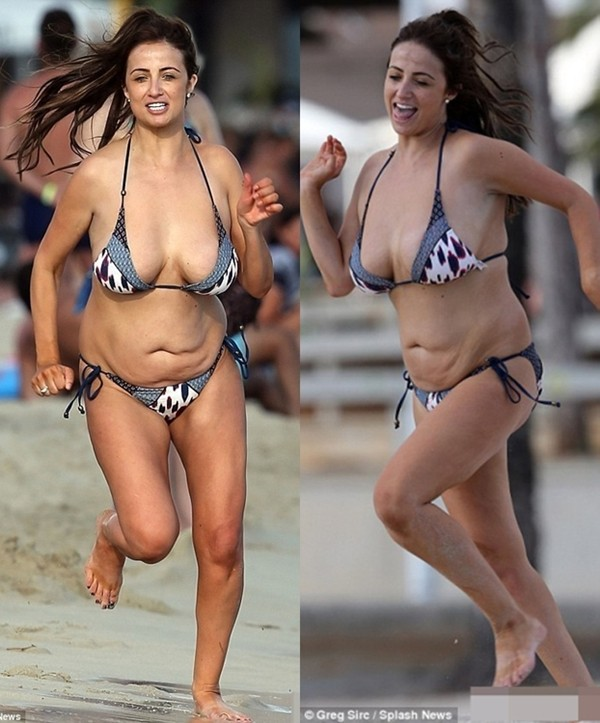
In October 2013, British television personality Chantelle Houghton was photographed enjoying time on a beach roughly a year after becoming a mother. The original coverage focused heavily—and often unkindly—on how her appearance had changed since pregnancy.
More than a decade later, those pictures deserve a different kind of look.
Rather than judging a woman’s body from a few moments captured by a camera, they offer an opportunity to remember the extraordinary rise of one of Britain’s early reality-TV personalities—and the relentless celebrity culture that surrounded women during that period.
A Beach Day That Became a Headline
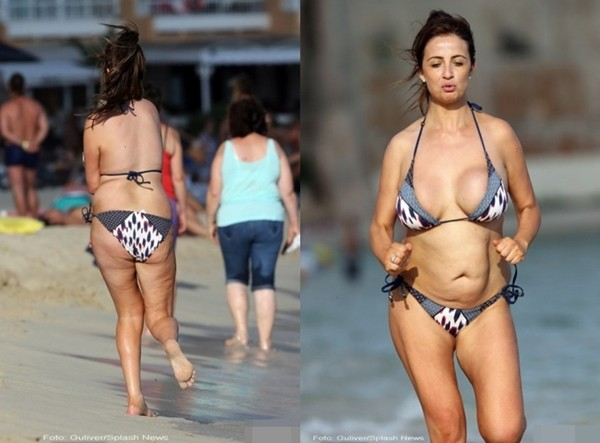
The photographs show Houghton running along the shoreline and relaxing beside the sand in a patterned swimsuit. Nothing about the activity itself was unusual.

What made the pictures newsworthy in 2013 was the comparison between her appearance then and photographs taken earlier in her career. The original article repeatedly contrasted her post-pregnancy body with the glamorous image she had once presented as a model and television personality.
Today, that framing feels surprisingly dated.
Medical guidance is much more straightforward: pregnancy and childbirth bring physical changes, and the postpartum period involves adjustment and recovery. The NHS simply notes that “having a baby changes your body,” while offering practical advice rather than demanding that women immediately return to a previous appearance.
A photograph cannot tell us whether someone is healthy, happy, exhausted, or simply enjoying an afternoon by the water.
The Woman Who Walked Into Celebrity Big Brother as a Nobody
For longtime reality-TV viewers, Chantelle Houghton’s story remains one of the most unusual from the genre’s early years.
In 2006, she entered Britain’s Celebrity Big Brother despite not actually being famous. Her assignment was to convince the genuine celebrity contestants that she belonged to a fictional pop group called Kandy Floss.
The joke ultimately turned into something nobody expected.
Houghton won the entire series, transforming from an unknown participant into a recognizable television personality almost overnight. Contemporary reporting described how the public embraced her upbeat personality and unlikely journey.
It was reality television in a very different era.
There were no TikTok clips appearing seconds after an episode aired. Viewers watched scheduled broadcasts, newspapers covered the previous night’s developments the next morning, and glossy magazines could keep a celebrity story alive for weeks.
Houghton became famous just as that old media world was beginning to collide with the internet age.
When Celebrity Magazines Had Enormous Power
Older readers may remember the supermarket checkout lane as a miniature entertainment newsroom.
Magazine covers promised celebrity weddings, dramatic breakups, vacation photographs, and transformations. One unflattering picture could become a week-long story.
Women were particularly vulnerable to this kind of scrutiny.
A celebrity could be criticized for gaining weight and then criticized again for becoming too thin. Pregnancy, aging, clothing, hairstyles, and ordinary fluctuations in appearance were treated as public events.
The 2013 coverage of Houghton is a clear time capsule from that period.
Instead of seeing a mother relaxing on a beach, readers were encouraged to compare her body with an earlier version of herself.
Football Fame Added Another Layer
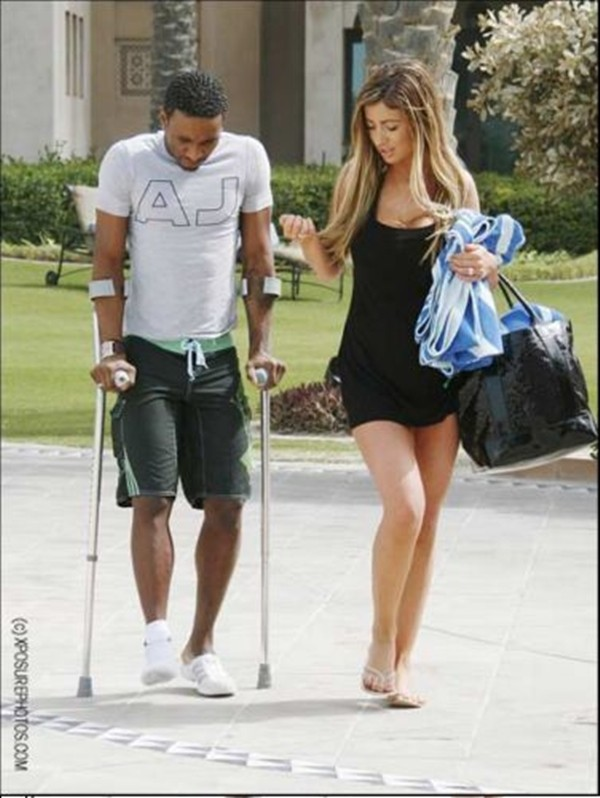
Houghton was also familiar to sports-page readers because she had briefly dated English soccer star Jermain Defoe around 2009. Contemporary and later reports describe the relationship as relatively short-lived.
That connection placed her inside the British “WAG” culture of the era, when newspapers devoted enormous attention to the wives and girlfriends of famous soccer players.
Fashion choices, vacations, relationships, and appearances could become headlines almost as quickly as events on the field.
For American readers, the closest comparison might be the intense attention once given to the partners of star quarterbacks, basketball players, or Hollywood leading men.
Motherhood Changed the Picture
By the time the 2013 beach photographs appeared, Houghton’s life had already moved far beyond that brief relationship.
She had welcomed her daughter, Dolly, in June 2012 with then-partner Alex Reid.
That timing gives the photographs important context.

Houghton was no longer simply the young reality star who had entered a television house as part of an elaborate joke. She was a new mother navigating a different stage of adulthood while still being photographed and compared with her younger self.
Many older women understand that transition immediately.
Family photographs often reveal changes that celebrity magazines once treated as flaws: a softer waist after childbirth, lines around the eyes, gray hair, or a face shaped by decades of laughter and worry.
Within a family album, those changes are simply evidence that life happened.
A Kinder Way to Look Back
The most interesting thing about these photographs today is not whether Chantelle Houghton looked different.
Of course she did.
Years had passed. Relationships had changed. Motherhood had arrived. Her life was no longer the one she had been living when television viewers first discovered her in 2006.
That is true for all of us.
Perhaps the real nostalgia here is remembering how eagerly popular culture once invited us to criticize photographs like these—and recognizing that we do not have to look at them in the same way today.
The waves, sand, and sunlight remain exactly as the camera captured them in 2013.
What has changed most is the person looking at the picture.