Meta Description: A nostalgic 1971 family photograph captures Peter Fonda, his wife Susan, and their young children during a pivotal week in American movie history.
Long before Hollywood families shared everyday life online, a single candid photograph could feel remarkably personal.
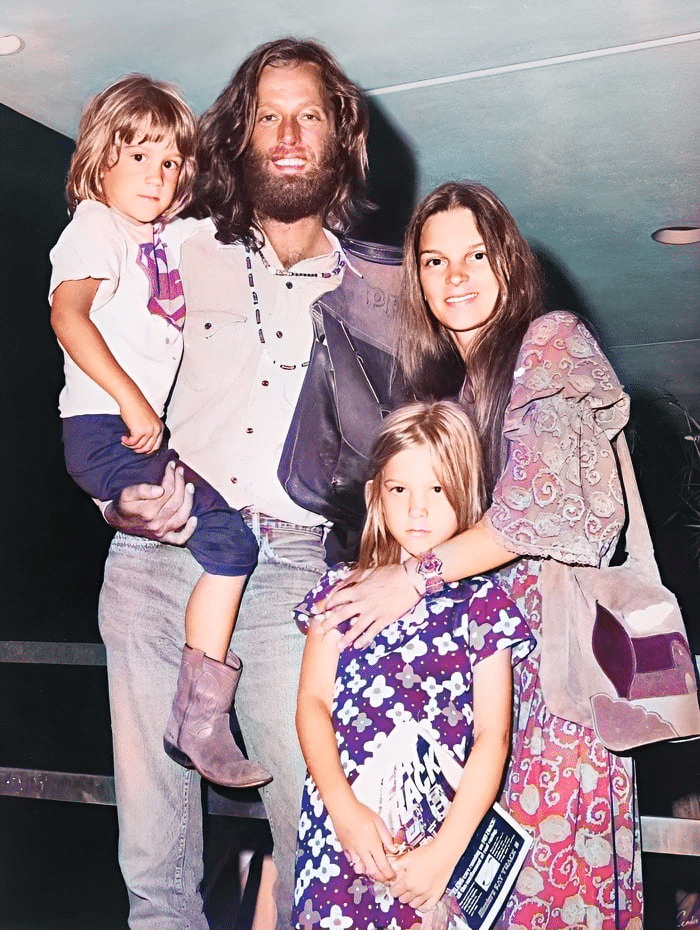
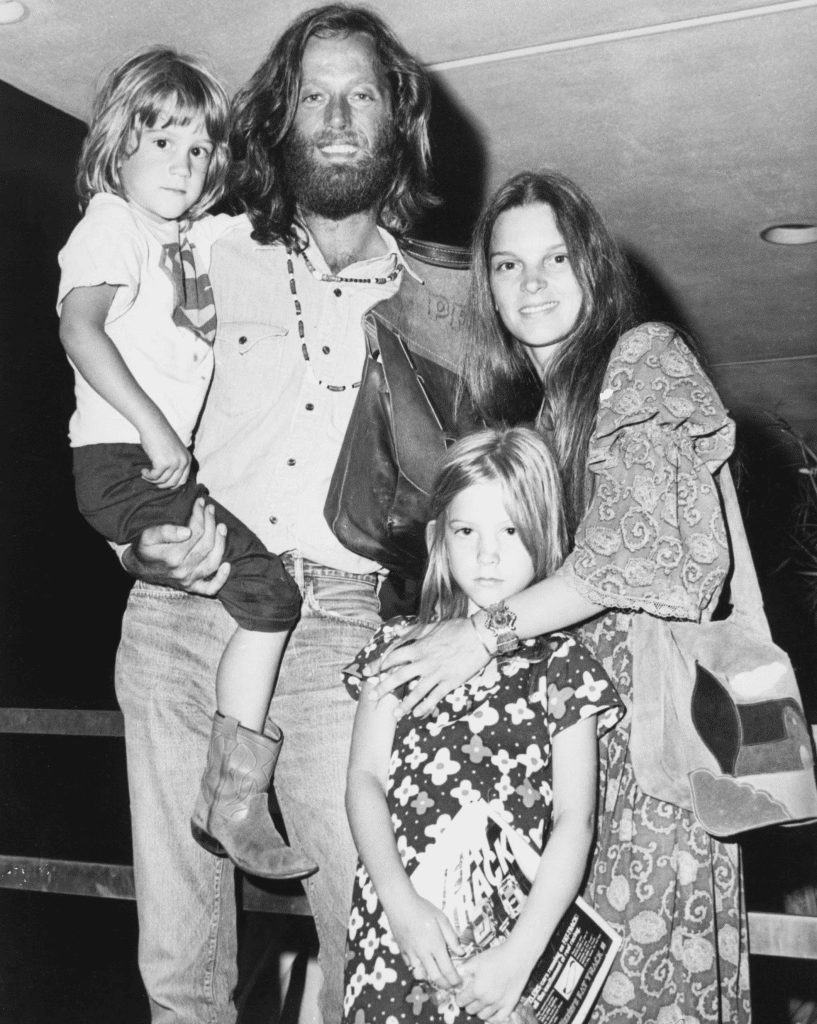
One black-and-white image from the summer of 1971 shows a young bearded actor with his wife and two children. His clothes are casual, his hair falls over his collar, and his little boy rests securely in his arm. Beside them, a seven-year-old girl stands close to her mother, unaware that she will one day become a celebrated movie star.
The man is Peter Fonda. The little girl is his daughter, Bridget Fonda.
A Family Arrival During an Important Week
The archival caption dates the photograph to August 5, 1971. Peter had arrived in New York with his wife, Susan Brewer, and their children, Bridget and Justin, while promoting The Hired Hand, his first feature as a director.
Peter was only 31, yet audiences already knew him as one of the defining screen figures of the late 1960s.
Two years earlier, Easy Rider had transformed him into an international symbol of counterculture cinema. Playing the quiet motorcycle rider Wyatt—often called “Captain America”—he helped create a film that captured the freedom, music, and uncertainty of a changing America. Its screenplay brought Peter, Dennis Hopper, and Terry Southern an Academy Award nomination.
For moviegoers who remember that era, the picture may revive the excitement of checking showtimes in the newspaper and entering a theater without having already seen half the story in online previews.
The Rebel Standing Still
On screen, Peter became associated with highways, motorcycles, and personal freedom. In this photograph, the famous rider is standing still.
Justin leans naturally against him. Susan keeps a protective hand near Bridget. Their patterned shirts, faded denim, small boots, and informal posture feel closer to an ordinary family album than a polished publicity portrait.
Peter was promoting a film and building a new identity as a director, but for one brief moment he was simply a young father carrying his child through a busy trip.
A Quieter Choice After Easy Rider
After the impact of Easy Rider, Peter could easily have repeated the rebellious role that made him famous. Instead, he chose a reflective Western for his directorial debut.
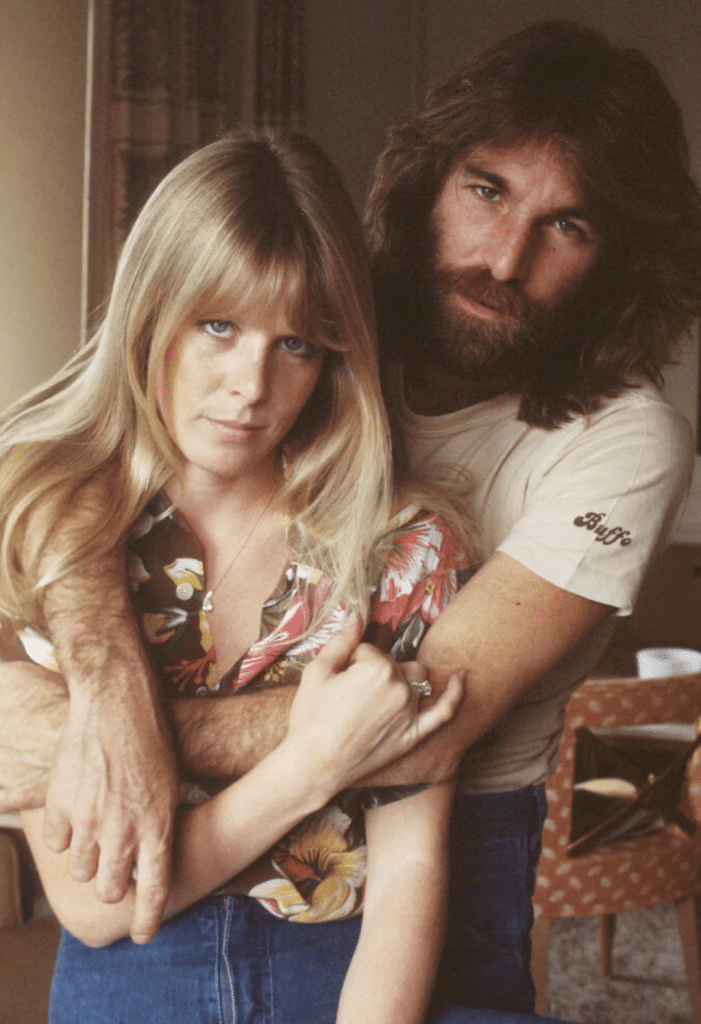
The Hired Hand starred Peter alongside Warren Oates and Verna Bloom. Its story followed a wandering man returning to the wife and home he had left behind. Turner Classic Movies describes it as a deliberate step away from Peter’s “Captain America” image and toward something more intimate.
That context gives the portrait added meaning. Peter was presenting a movie about returning home while traveling with the people who represented home in his own life.
Before Photographs Became Instant
In 1971, family photography required patience.
A camera held a limited roll of film, flash cubes had to be replaced, and no screen revealed whether someone had blinked. The roll might include a birthday, a summer trip, and Christmas morning before it was finally developed.
Days later, the pictures returned in a paper envelope. Some entered albums with handwritten dates. Others remained in shoeboxes or dresser drawers, becoming small mysteries for the next generation.
Celebrity photographs moved at the same slower pace. Fans knew actors through movies, magazines, television appearances, and carefully distributed press images. That distance made a candid family portrait feel genuinely rare.
The Little Girl Who Found Her Own Place in Hollywood
The serious-looking child beside Susan was Bridget Fonda, born in 1964.
She later became one of the familiar faces of 1990s cinema, appearing in Single White Female, Singles, Point of No Return, It Could Happen to You, Jackie Brown, and A Simple Plan. Her final screen work came in 2002.
Bridget inherited one of Hollywood’s most famous surnames. Her grandfather was Henry Fonda, a defining star of classical American cinema, while her aunt Jane Fonda built an enduring career across film, television, fitness, writing, and public life.
Yet Bridget developed a presence that was distinctly her own—quiet, thoughtful, and well suited to the character-driven films of her generation.
In the 1971 picture, none of that future is visible. She is simply a child standing close to her mother during a family trip.
More Than “Captain America”
Although Easy Rider remained his signature film, Peter continued working for decades. One of his most admired later performances came in Ulee’s Gold in 1997, when he played a reserved beekeeper trying to hold a troubled family together.
The role earned him the Golden Globe for Best Actor in a Motion Picture—Drama and an Academy Award nomination.
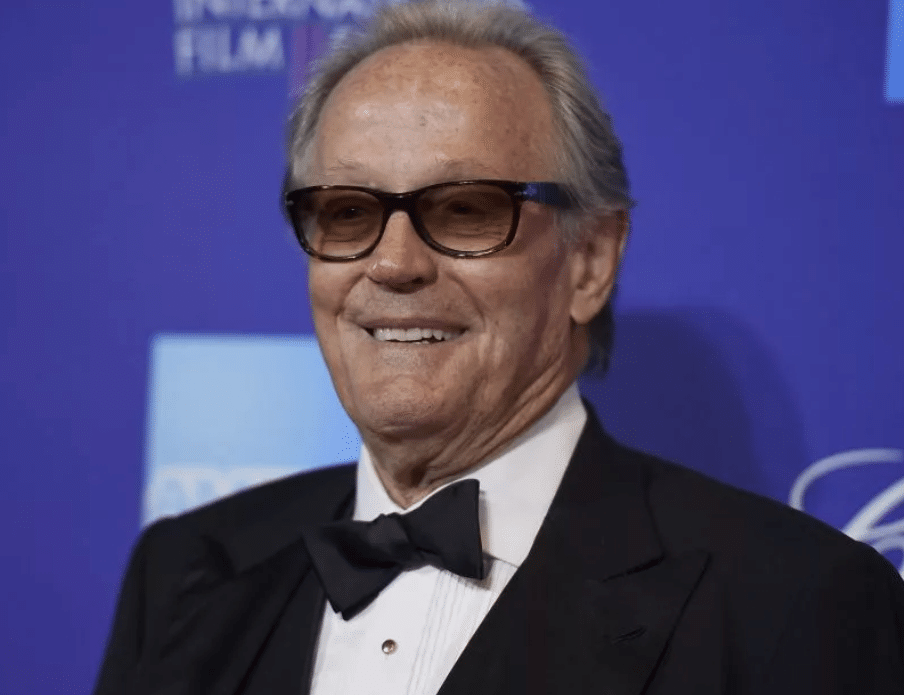
For audiences who knew him mainly as a young rebel, the performance revealed patience, restraint, and emotional depth. The restless traveler of the 1960s had matured into an actor capable of portraying responsibility, regret, and the difficult work of protecting a family.
Why This Photograph Still Matters
Peter Fonda died in 2019 at age 79, leaving a career that included acting, writing, directing, two Academy Award nominations, and two Golden Globe wins.
Awards explain his importance to movie history, but this photograph preserves something quieter.
It captures Peter before much of his life had unfolded. Bridget’s career was still decades away. Justin was only five. Susan and Peter could not know where time would carry their young family.
Nearly every household owns a photograph like that—people standing at the beginning of changes they cannot yet imagine.
For older Americans who remember neighborhood theaters, carefully saved photo prints, and the rumble of Easy Rider, this rare portrait offers more than Hollywood nostalgia.
It reminds us that behind even the most recognizable screen legend was a life measured in ordinary, fleeting moments: a father holding his son, a mother standing beside her daughter, and a family briefly together before the next chapter began.