Chapter 1: The Final Notice
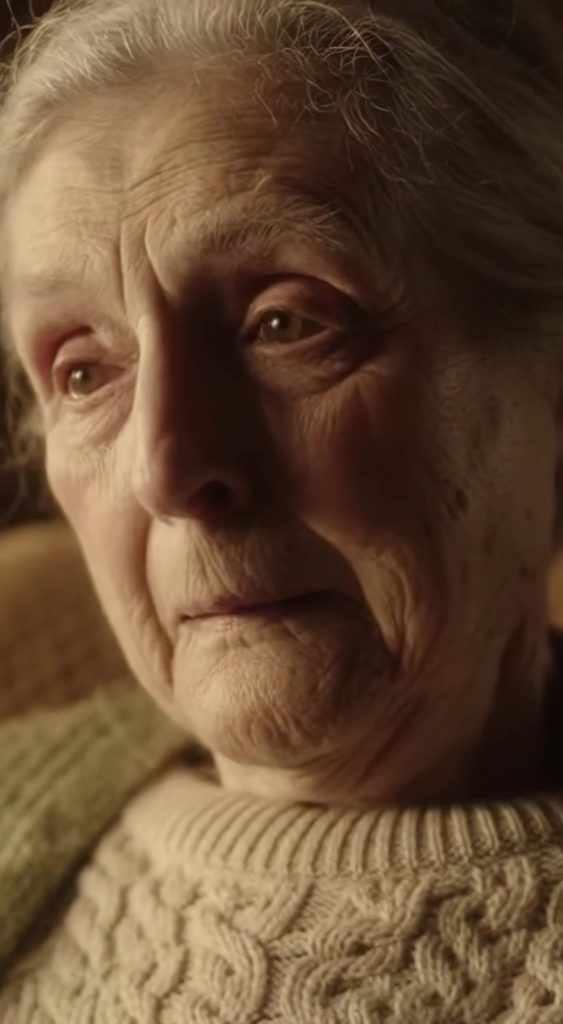
Evelyn Taylor had lived in the same Virginia home for forty-two years.
It was where she had raised her only son, Daniel, and where she now spent quiet afternoons knitting while waiting for his weekly calls from overseas.
Then the notices began arriving.
The Maple Ridge Homeowners Association accused her of having faded porch paint, an outdated mailbox, and shrubs that exceeded the approved height. Evelyn arranged every repair, but HOA president Cynthia Bell continued adding penalties.
Within three months, the charges had reached $4,800.
At a community meeting, Evelyn requested additional time to challenge the fines.
Cynthia barely glanced at her documents.
“If your son were truly concerned, he would be here handling this,” she said. “You may need to accept that he has chosen another life.”
Several neighbors looked uncomfortable, but no one challenged the woman who controlled the HOA’s enforcement committee.
After the meeting, Cynthia made Evelyn an unexpected offer.
Her daughter was willing to buy the house for cash.
The price was nearly $90,000 below its market value.
“Sign before the association files a lien,” Cynthia advised. “At your age, a smaller apartment might be more practical.”
Evelyn declined.
She didn’t know Cynthia had already promised the house to her daughter.
Chapter 2: A Campaign of Pressure
Daniel had not forgotten his mother.
Before deploying, he arranged automatic payments for her household expenses and hired a local contractor to handle repairs. He called every Sunday, sometimes waiting hours for a connection.
Evelyn never told him about the HOA dispute.
“He has enough to worry about,” she told her neighbor, Nora Hughes.
But Nora noticed Cynthia’s behavior becoming increasingly aggressive.
Contractors arrived to find their work orders challenged. Evelyn’s appeal disappeared from the meeting agenda. A payment she mailed was returned without explanation, followed by another late fee.
Meanwhile, homes with peeling paint and overgrown yards received no violations at all.
One afternoon, Nora overheard Cynthia speaking with the property manager outside Evelyn’s house.
“Keep the pressure on,” Cynthia said. “Once the lien notice arrives, she’ll sign.”
Nora recorded the final seconds of the conversation on her phone.
Then she contacted Daniel through a veterans’ family-support office.
When Daniel heard the truth, he was furious—but he didn’t call Cynthia.
He called an attorney.
“Don’t warn her,” he told Nora. “I want every decision preserved exactly as she made it.”
Chapter 3: The Records Behind the Fines
Daniel’s attorney submitted a formal request for the HOA’s financial records, enforcement history, and meeting minutes.
The documents revealed a pattern.
Three of Evelyn’s penalties had never been approved by the board. The landscaping photographs had been taken before her shrubs were trimmed, then reused to justify later fines. The official minutes claimed her appeal had been heard even though she was never allowed to present it.
Most damaging of all was an email from Cynthia to a real estate agent.
My daughter should have the Taylor property under contract before the end of the month. The owner is running out of options.
Cynthia had used her authority to create those options—or, more accurately, to take them away.
Two board members admitted they had never voted to authorize a lien. Another discovered that his electronic signature had been added to a notice he had not reviewed.
The HOA’s insurance attorney recommended an immediate independent investigation.
Daniel learned all of this shortly before receiving an unexpected return date.
He asked everyone to keep it secret.
Cynthia still believed Evelyn was alone when she visited the house with a purchase agreement and one final warning.
“Sign today,” she said, placing the papers on the table. “By next week, the legal expenses may make this offer impossible.”
Then someone knocked on the door.
Chapter 4: “I’m Home, Mom”
Evelyn slowly rose from her chair and opened the door.
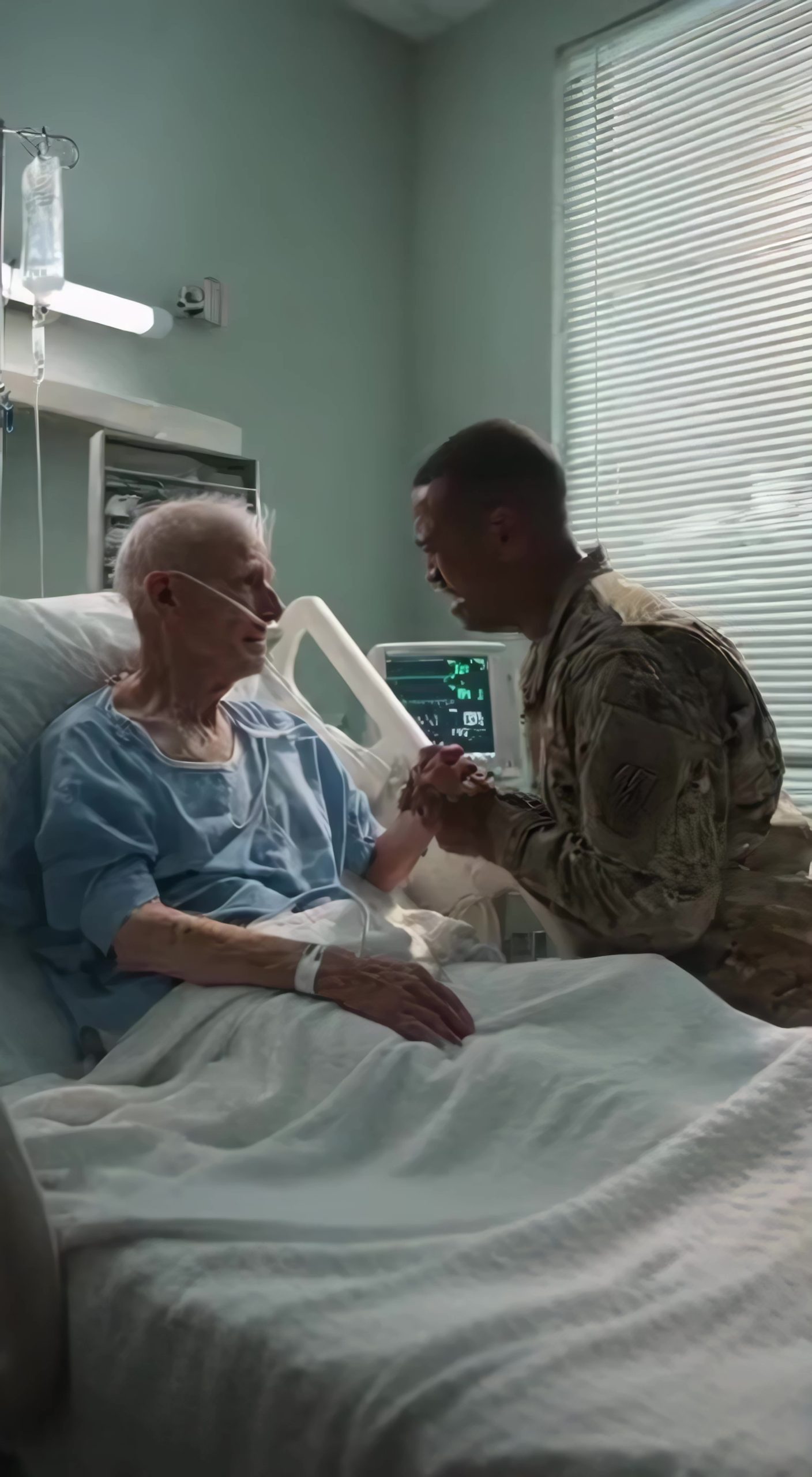
A young soldier stood on the porch with a travel bag over one shoulder. His name—TAYLOR—was stitched across his uniform.
For a moment, Evelyn could only stare.
“Oh, my boy.”
Daniel stepped forward.
“I’m home, Mom.”
“You’re home,” she whispered, touching his face as if she needed proof. “You’re really home.”
He wrapped his arms around her, and the purchase agreement slipped from Cynthia’s hand onto the floor.
When Daniel finally looked up, his expression was calm.
“You must be Mrs. Bell.”
Cynthia recovered quickly.
“This is an HOA matter. Your mother has accumulated serious violations.”
Daniel removed a folder from his bag.
“Then tomorrow’s special board meeting should be interesting.”
The next evening, the community room was full.
Daniel’s attorney presented the altered minutes, unauthorized penalties, selective enforcement records, returned payment, and Cynthia’s email about acquiring the property for her daughter.
Nora played her recording.
Cynthia claimed she had only been trying to help an elderly homeowner avoid financial trouble.
Evelyn finally spoke.
“You created the trouble, then offered to rescue me from it.”
No one in the room defended Cynthia.
The board voted unanimously to remove her as president and suspend her access to all association records.
Chapter 5: The House She Couldn’t Take
The independent review canceled every improper charge against Evelyn. The HOA reimbursed her legal expenses and adopted new rules requiring multiple board members to approve fines, liens, and enforcement decisions.
Cynthia resigned from the board entirely before the review concluded.
Her daughter withdrew the purchase offer, and the state real estate regulator opened an inquiry into whether Cynthia had used confidential HOA information to pursue a private deal.
The house remained Evelyn’s.
Daniel spent his leave repainting the porch—not because the HOA demanded it, but because his mother chose a soft blue that reminded her of summer mornings.
Evelyn later helped establish a homeowner-assistance committee for older residents. No senior would again face an enforcement hearing alone or be pressured into signing documents without independent advice.
Daniel eventually returned to duty, but this time Evelyn did not hide difficult news to protect him.
“Families share the weight,” he reminded her. “That’s how we keep it from crushing one person.”
Cynthia had mistaken deployment for abandonment and an elderly woman’s politeness for weakness. She believed a uniform thousands of miles away meant no one was watching.
But Daniel had been watching.
And when he finally appeared at the door, he brought more than a homecoming surprise.
He brought the records that saved his mother’s home—and ended the authority Cynthia had abused to take it.