Chapter 1: The Name They Removed
In the spring of 1945, the residents of Bellweather, Iowa, gathered to unveil a temporary memorial honoring local men serving overseas.
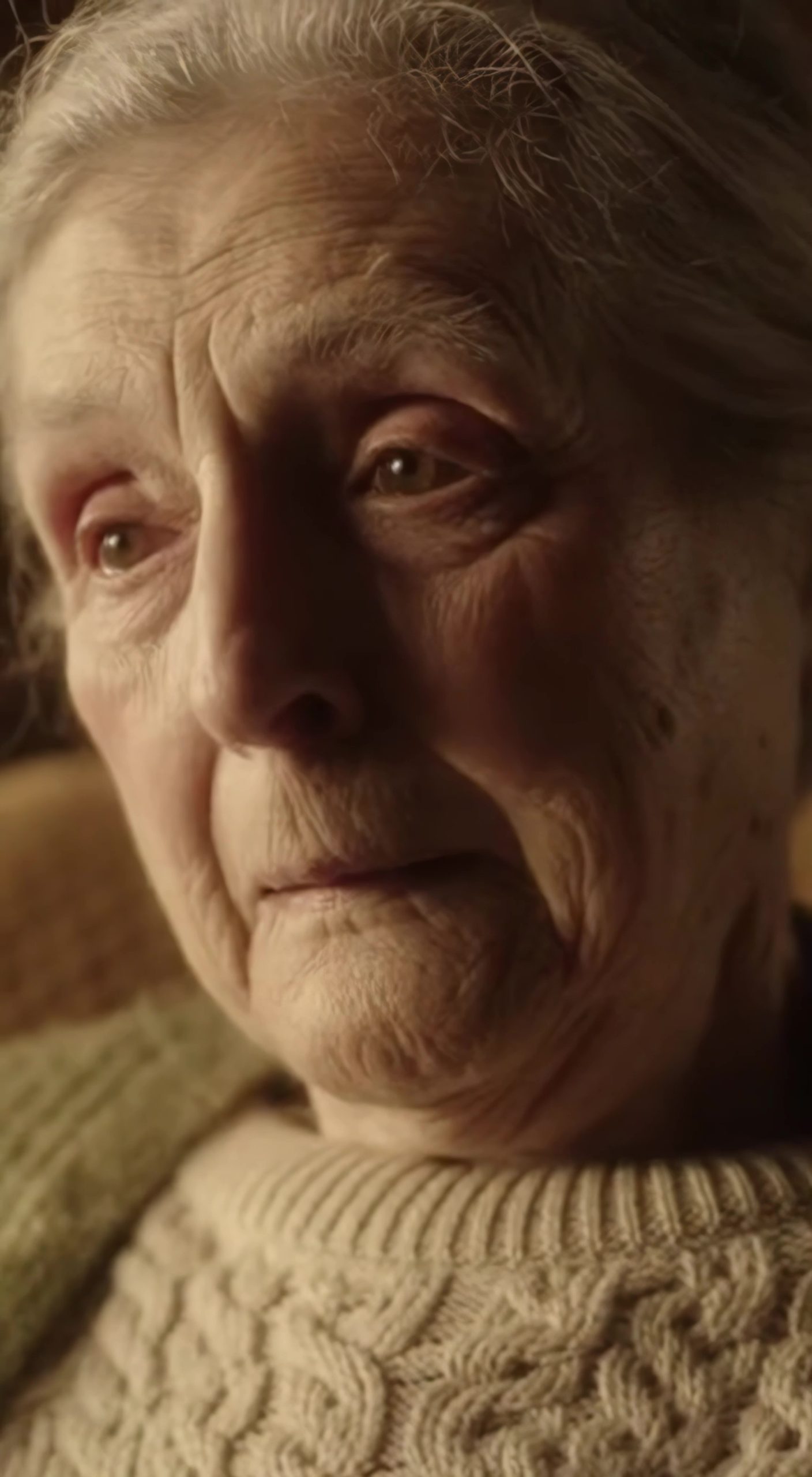
Margaret Ellis stood quietly among the families, searching for one name.
Samuel Ellis.
It wasn’t there.
Her only son had been reported missing months earlier. The official notice contained few details, but Samuel’s final letter said his unit was preparing for a difficult assignment.
Mayor Edwin Mercer, chairman of the memorial committee, claimed only soldiers with “verified honorable records” could be included.
“Missing is not the same as fallen,” he told Margaret. “And there are questions about what happened to Samuel’s unit.”
Those “questions” quickly became rumors.
Some townspeople whispered that Samuel had deserted. Others repeated the mayor’s suggestion that he had disappeared after disobeying an order.
Margaret knew her son.
But in a town where Edwin Mercer controlled the newspaper and most public decisions, his version of events became more powerful than a mother’s faith.
Someone removed Samuel’s service photograph from the courthouse display.
Margaret found it discarded behind a filing cabinet.
She carried it home without saying a word.
Chapter 2: The Hero Everyone Celebrated
The town had already welcomed home another soldier from Samuel’s unit: the mayor’s son, Lieutenant Richard Mercer.
Richard received a parade, a public dinner, and a place of honor on the memorial. The newspaper praised him for guiding several men to safety after their unit became separated.
Yet whenever Margaret asked Richard about Samuel, he avoided her eyes.
“The conditions were confusing,” he said. “I didn’t see what happened.”
One afternoon, Margaret showed him Samuel’s final letter.
“He wrote that he was staying behind to help the injured men,” she said. “Were you with him?”
Richard’s hands began to shake.
Before he could answer, Mayor Mercer interrupted.
“My son has been through enough. Stop forcing him to relive it.”
He warned Margaret that continuing to challenge the official account would embarrass both families.
She left with Samuel’s letter pressed against her chest.
Over the following weeks, neighbors stopped visiting. Some avoided sitting beside her at church. The local relief committee even rejected her request for winter fuel, claiming families of confirmed service members had priority.
Still, Margaret placed a lamp beside her window every night.
“If Samuel can come home,” she told herself, “he will know where to find me.”
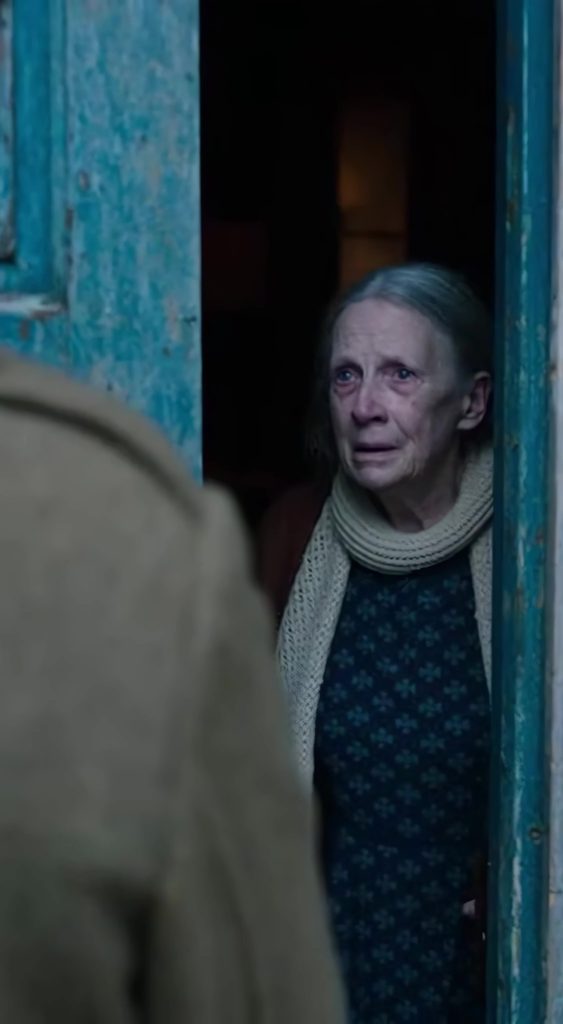
Then, on a cold morning, someone knocked on her door.
Chapter 3: The Bundle at Her Door
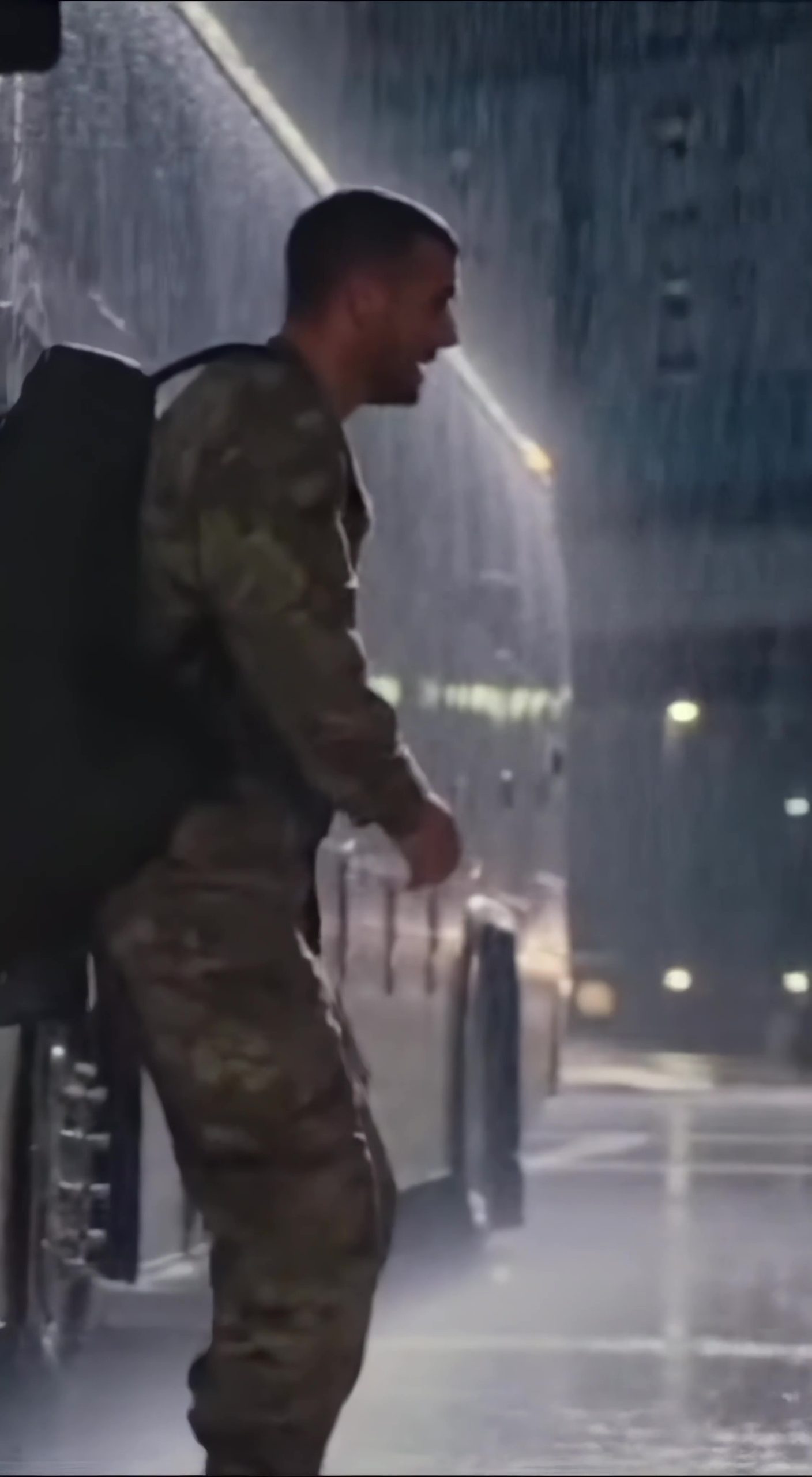
A young soldier stood outside, his uniform stained from travel.
“My name is Thomas Hale,” he said. “I served with Samuel.”
From his bag, Thomas removed a small bundle tied with string.
Inside was the green cap Margaret had knitted, Samuel’s identification tags, his broken glasses, and an envelope bearing her name.
Her knees nearly failed her.
Thomas gently placed the items into her hands.
“He asked me to bring these home if he couldn’t.”
Margaret looked at him through tears.
“Did my son run away?”
Thomas’s expression hardened.
“No, ma’am. Samuel was the bravest man in our unit.”
He explained that their group had become trapped during a winter retreat. Several soldiers were injured, and communication with command had been lost.
Samuel volunteered to remain behind while Thomas guided the others toward safety. When Thomas collapsed from exhaustion, Samuel carried him across the final stretch.
“He saved seven of us,” Thomas said. “I’m standing here because of him.”
Margaret opened the envelope.
Samuel’s message was brief.
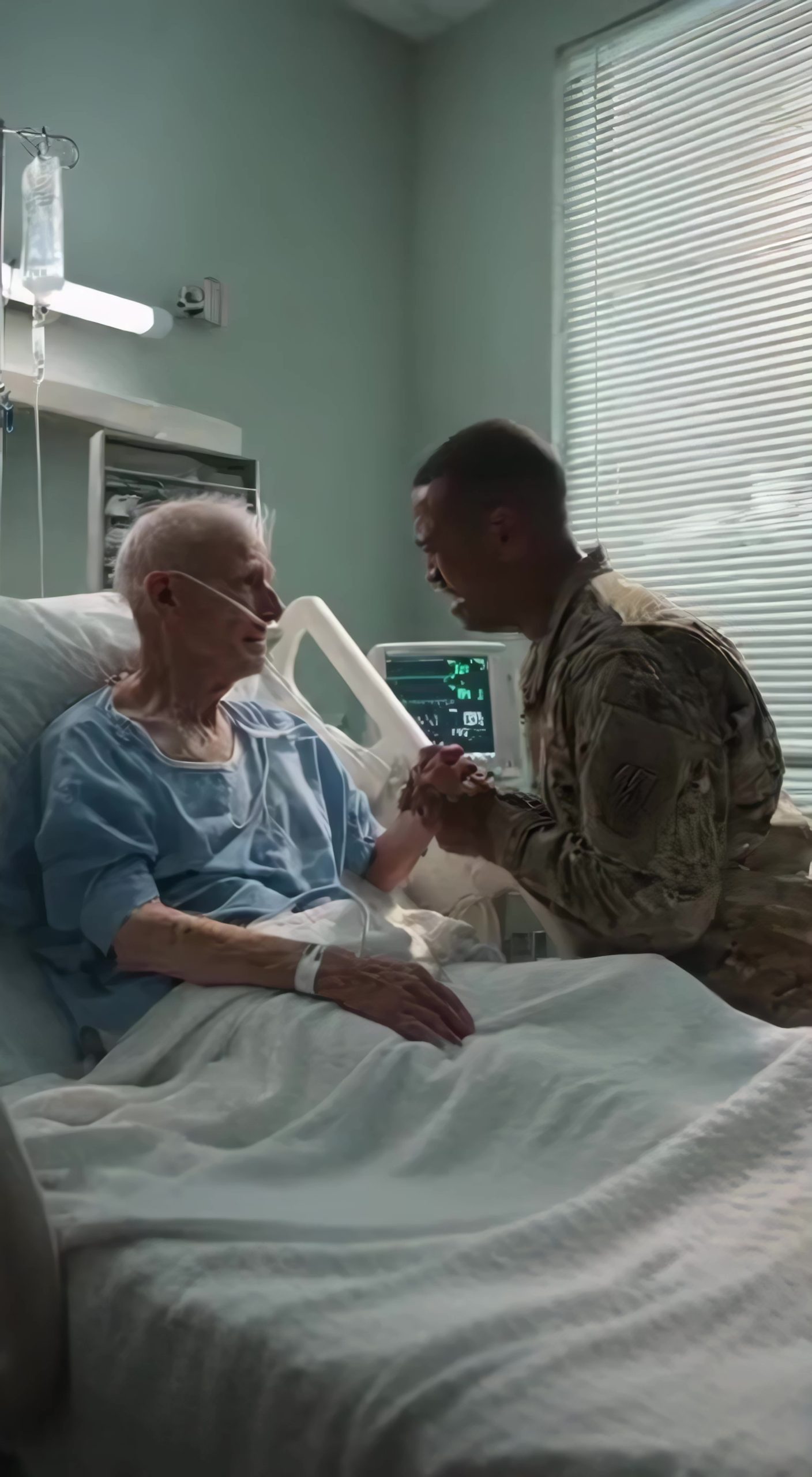
He told her not to measure his life by whether he returned, but by whether he helped someone else make it home.
Margaret began to cry.
Thomas reached forward, and she pulled him into her arms.
Chapter 4: The Report the Mayor Buried
Thomas had brought more than Samuel’s belongings.
He carried a certified copy of the unit commander’s report. It confirmed Samuel had remained at his position voluntarily to protect the evacuation and had been recommended for a posthumous commendation.
The report also listed every soldier he saved.
One name appeared near the top:
Lieutenant Richard Mercer.
Richard had not led the rescue.
Samuel had rescued him.
Mayor Mercer had received an early copy of the report weeks before the memorial ceremony. Instead of correcting the rumors, he concealed it to protect his son’s reputation.
Thomas presented the evidence at the next town council meeting.
The room fell silent as he described Samuel’s final hours without exaggeration or graphic detail. Then Richard stood.
“My father told me silence would protect our family,” he admitted. “But every honor I accepted made that silence worse.”
Mayor Mercer attempted to dismiss the report as incomplete, but the council had already verified it with military officials.
He was removed as chairman of the memorial committee. The newspaper printed a formal correction, and an independent committee began reviewing every wartime recognition he had approved.
The same people who had avoided Margaret now waited outside her home to apologize.
She accepted their words politely.
But apologies could not return the months they had allowed a grieving mother to stand alone.
Chapter 5: The Name Carved in Stone
Samuel’s name was placed at the center of Bellweather’s permanent memorial.
The town also created a support fund for families waiting on missing-service-member reports, ensuring no one else would lose assistance because of rumor or political influence.
Richard returned his public commendation and asked that the ceremony honoring Samuel include all seven men who survived because of him.
Mayor Mercer never regained his former influence. The reputation he had tried to protect was damaged by the lie he chose to maintain.
Margaret did not celebrate his downfall.
“Truth does not need revenge,” she told Thomas. “It only needs someone willing to carry it home.”
Thomas continued visiting her after the war. He repaired her porch, brought groceries during winter, and listened whenever she wanted to tell stories about Samuel as a boy.
The green knitted cap remained beside Samuel’s photograph.
Years later, Thomas asked why she had hugged him so tightly on the day he arrived.
“Because you brought a piece of my son home,” she said.
Thomas looked toward Samuel’s picture.
“He brought me home first.”
The town had once erased Samuel’s name because an influential man found the truth inconvenient.
In the end, that name was carved into stone—while the lie meant to bury it became the very thing no one in Bellweather ever forgot.