Some actors become famous. Others become unforgettable. Claudia Cardinale belongs to the second category. For more than six decades, she has captivated audiences with elegance, emotional depth, and a screen presence that feels almost magnetic. Yet behind the glamorous red carpets and iconic movie scenes lies a deeply personal story of resilience, independence, and survival.

When Claudia Cardinale revealed that cinema saved her life, the statement carried emotional weight far beyond Hollywood headlines. Acting was never just a profession for her. It became a refuge, a source of strength, and a way to transform pain into purpose.
Her journey from a young girl growing up in Tunisia to becoming one of Europe’s most celebrated actresses feels less like a celebrity biography and more like a classic cinematic masterpiece itself—full of unexpected turns, quiet courage, and enduring beauty.
A Childhood Shaped by Mediterranean Culture
Born in 1938 in Tunisia to Sicilian parents, Claudia Cardinale grew up surrounded by the rich colors, warm sunlight, and cultural diversity of the Mediterranean. Her early years were filled with the charm of coastal life, where European and North African influences blended together like brushstrokes on a painting.
But beneath that picturesque setting, life carried challenges that would quietly shape her character. During an era when women often hid vulnerability behind silence, Claudia learned early how to endure hardship privately while still moving forward with determination.
That quiet strength later became one of the defining qualities audiences saw in her performances. She didn’t need dramatic theatrics to command attention. Her authenticity spoke loudly enough on its own.
Even before fame arrived, she carried the calm confidence of someone who understood struggle and perseverance.
The Unexpected Moment That Changed Everything
Sometimes life changes in a single instant. For Claudia Cardinale, that moment came unexpectedly during the Italian Film Festival in Tunisia.
As a teenager, she attended the event with no ambition of becoming a movie star. In fact, she had little interest in public attention at all. Without telling her, her mother submitted her photograph to a beauty contest connected to the festival.
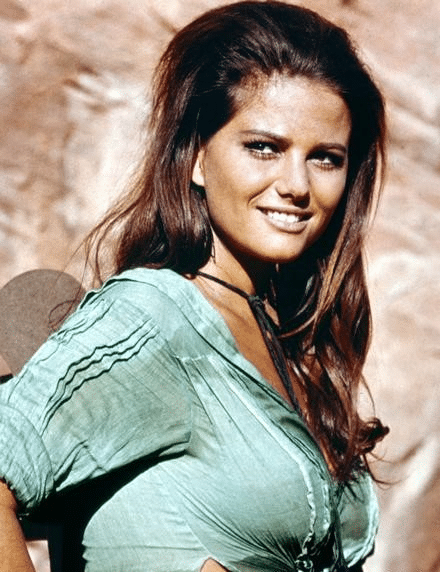
The result? Claudia was crowned “The Most Beautiful Italian Girl in Tunisia.”
Almost overnight, film producers began reaching out with offers. What started as an innocent contest suddenly opened the doors to the world of cinema.
At first, she hesitated. Fame felt intimidating. The spotlight can feel like standing under the blazing sun with nowhere to hide, and Claudia valued privacy more than celebrity culture.
Yet destiny had other plans.
Soon, the shy young woman from Tunisia stepped into Italian cinema and began building a career that would eventually influence generations of actors and filmmakers across the globe.
Rising to International Film Stardom
The film industry quickly recognized something unique about Claudia Cardinale. She possessed more than beauty. She had presence—the kind that fills a screen effortlessly.
Hollywood soon came calling, offering major roles in internationally recognized films such as The Pink Panther and Once Upon a Time in the West directed by Sergio Leone.
Audiences were drawn to her natural elegance, expressive performances, and undeniable charisma. She didn’t chase attention aggressively. Instead, she allowed her talent to speak for itself.
And honestly, that made her even more captivating.
Unlike many stars who fully embraced Hollywood glamour, Claudia Cardinale chose a different path. While American cinema offered larger fame and commercial success, she remained deeply connected to European filmmaking and artistic storytelling.
She preferred working with directors who valued creativity and emotional substance over superficial spectacle. For Claudia, acting wasn’t about becoming a celebrity icon alone—it was about meaningful storytelling.
That decision helped preserve the authenticity that defined her career.
More Than a Film Star
As her reputation grew, Claudia Cardinale became more than just a celebrated actress. She emerged as a voice for women’s empowerment and equality in the entertainment industry.
At a time when female performers often faced restrictive stereotypes, she challenged expectations with intelligence and independence. She consistently advocated for stronger opportunities for women, both inside and outside the film world.
Her humanitarian work eventually led to her role as a goodwill ambassador for UNESCO, where she supported education, cultural preservation, and human rights initiatives around the world.
What makes her activism especially powerful is how naturally it connects to her personality. Nothing about Claudia Cardinale ever felt performative or artificial. Her advocacy reflected genuine conviction rather than publicity strategy.
She understood that influence carries responsibility.
And she used her voice thoughtfully.
The Quiet Strength Behind Her Success
Hollywood often rewards noise. Claudia Cardinale succeeded through quiet confidence instead.
Throughout decades in an intensely competitive industry, she managed to preserve her identity without becoming consumed by fame. Every career decision reflected personal integrity and artistic respect.
She turned down projects that didn’t align with her values. She prioritized meaningful collaborations over commercial trends. Most importantly, she stayed true to herself in an industry famous for pressuring people to constantly reinvent their image.
That kind of consistency is rare.
Her performances carry emotional honesty because they mirror her own life journey—complex, resilient, and deeply human. Whether portraying vulnerability, passion, or inner conflict, Claudia brought authenticity into every role.
She didn’t simply perform characters.
She understood them.
Why Cinema Became Her Salvation
When Claudia Cardinale says cinema saved her life, the statement resonates because acting became far more than work.
Film offered her a space for expression during moments when speaking openly about personal struggles felt impossible. Through storytelling, she found freedom, healing, and purpose.
Acting allowed her to transform difficult experiences into art that connected with audiences emotionally across cultures and generations.
Cinema became her sanctuary.
Like a lighthouse guiding ships through a storm, filmmaking gave her direction and hope during uncertain periods of life. Every role became part of a larger journey toward self-discovery and resilience.
That emotional connection to her craft is one reason audiences still admire her today. People recognize sincerity instinctively, and Claudia’s passion for cinema always felt genuine.
A Timeless Legacy That Still Inspires
Even today, Claudia Cardinale remains a symbol of grace, independence, and artistic excellence. Her legacy extends far beyond the movies she made.
She represents a generation of performers who valued substance over attention and authenticity over trends. In a modern entertainment culture often driven by constant visibility, her quiet elegance feels even more powerful.
Age has never diminished her influence. If anything, it has strengthened it.
She reminds audiences that true beauty comes from confidence, resilience, and staying loyal to your identity. Trends fade. Fame fluctuates. But authenticity endures.
That timeless quality is exactly why Claudia Cardinale continues inspiring filmmakers, actors, and audiences worldwide.