Why Our Brains Love (and Hate) Visual Illusions

Have you ever looked at a photo and instantly thought, “Wait… what am I even seeing?” That split second of confusion is your brain trying to make sense of something that doesn’t quite fit its usual patterns. I find those moments fascinating—because they reveal just how powerful, yet imperfect, our perception really is.
Our brains are wired to recognize shapes, faces, and patterns at lightning speed. It’s efficient, sure—but it’s also prone to mistakes. When a photo is taken from an unusual angle or captures a perfectly timed moment, it can completely trick our perception. Suddenly, what seems obvious becomes puzzling.
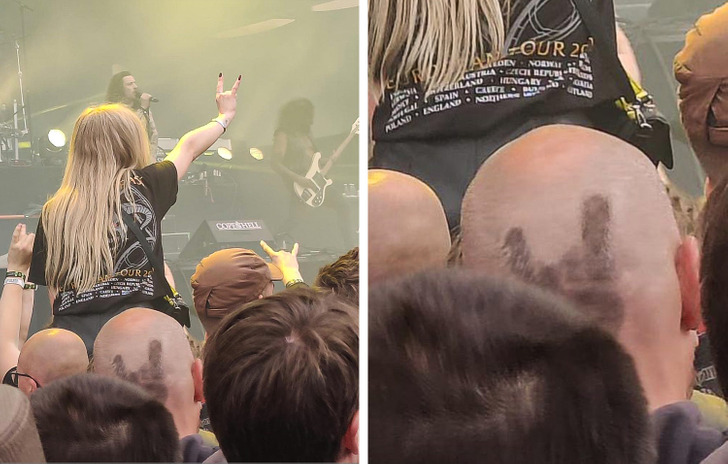
That’s exactly what makes confusing photos so irresistible. They challenge us. They slow us down. And most importantly, they force us to look again.
The Art of Capturing Confusion in a Single Frame
Photography isn’t just about capturing reality—it’s about perspective. A slight shift in angle, lighting, or timing can transform an ordinary scene into a visual riddle.
Think of it like this: reality is a straightforward sentence, but a cleverly taken photo turns it into a metaphor. You don’t just read it—you interpret it.
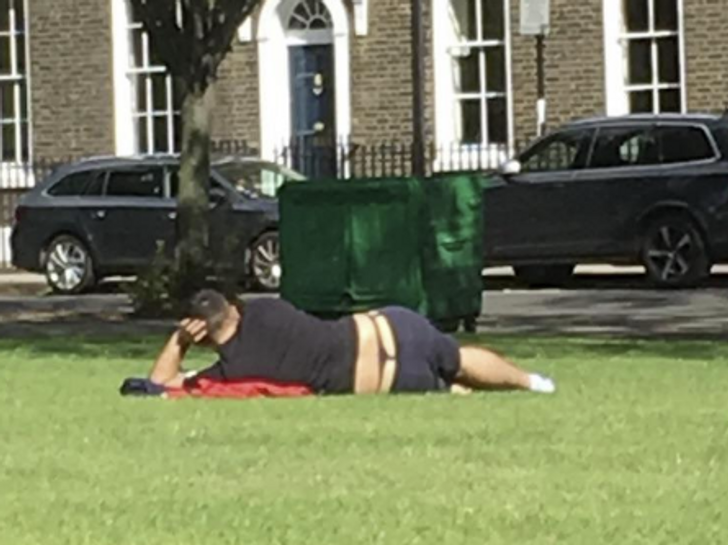
These confusing images often rely on:
- Forced perspective, where objects appear larger or smaller than they really are
- Perfect timing, capturing a split second that changes everything
- Unusual angles, distorting depth and spatial relationships
- Visual overlap, blending separate elements into one illusion
When all these elements come together, the result is a photo that doesn’t just show something—it asks a question.
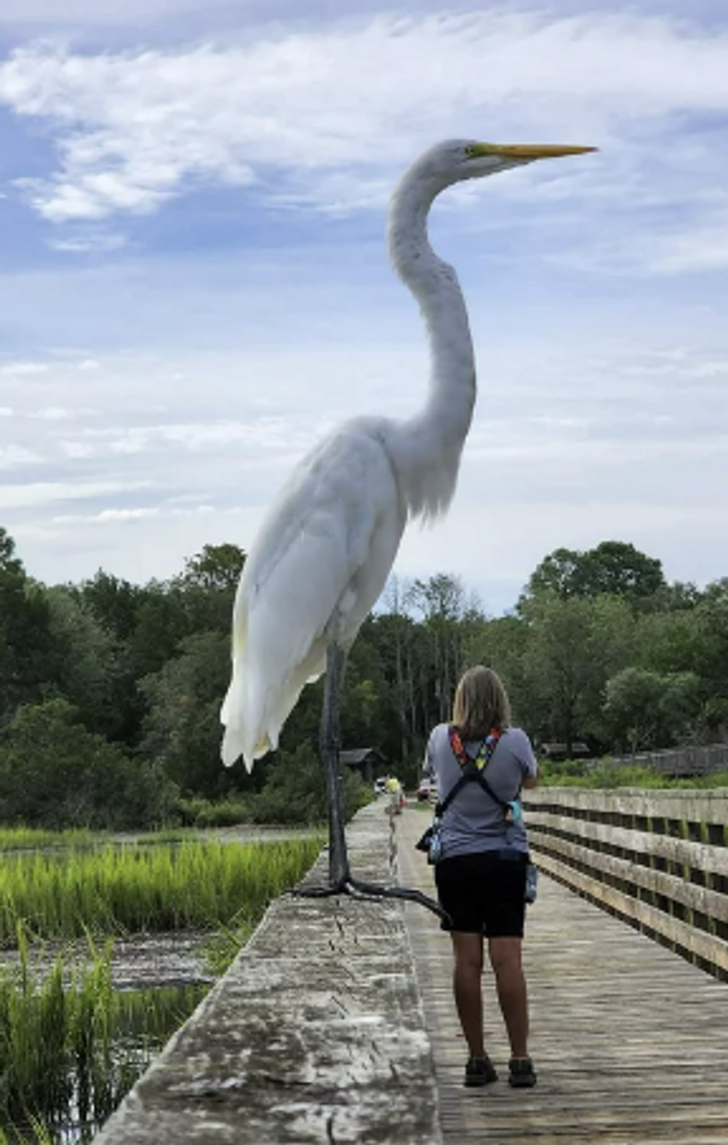
When One Look Isn’t Enough: The Power of the Double Take
Let’s be honest—we trust our eyes. But what happens when our eyes lie to us?
That’s where the magic of the “double take” comes in. The first glance gives you a quick assumption. The second glance? That’s where things start to unravel.
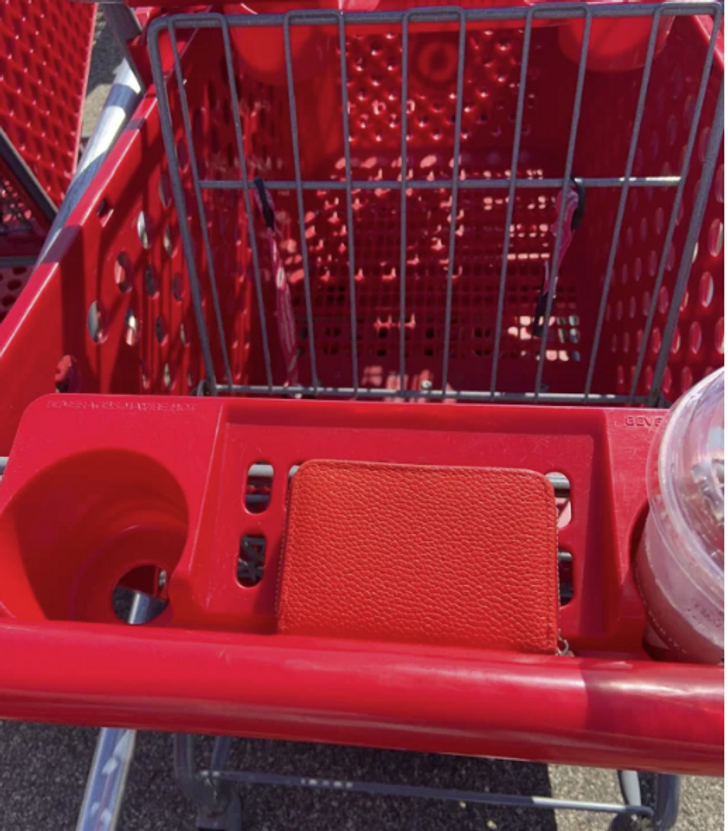
You might see:
- A person floating… until you realize it’s just a shadow trick
- A giant animal… that’s actually just close to the camera
- A strange creature… that turns out to be two things perfectly aligned
It’s like solving a puzzle in real time. And the best part? That moment of realization feels incredibly satisfying—like cracking a code your brain didn’t even know it was working on.
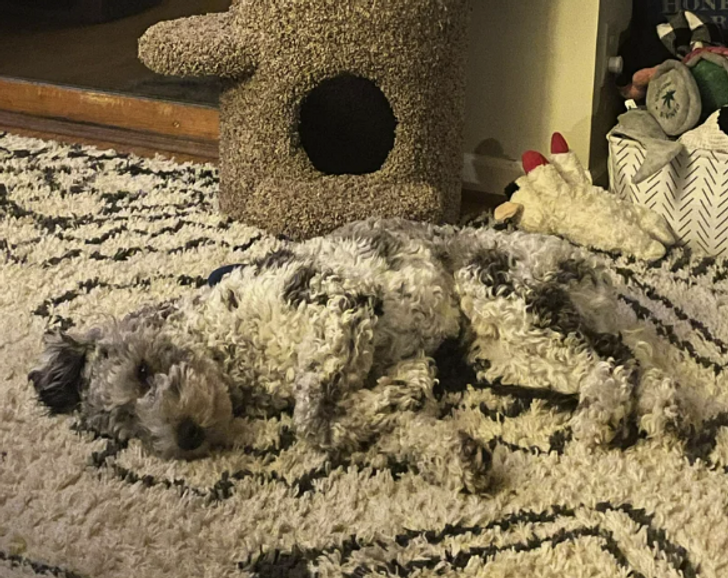
Why These Photos Go Viral So Easily
Let me ask you something—when was the last time you shared a completely normal photo with your friends? Probably not recently.
Now compare that to a bizarre, confusing image. Those spread like wildfire. Why?
Because they trigger curiosity. They make people pause mid-scroll and think, “I need to show this to someone.”
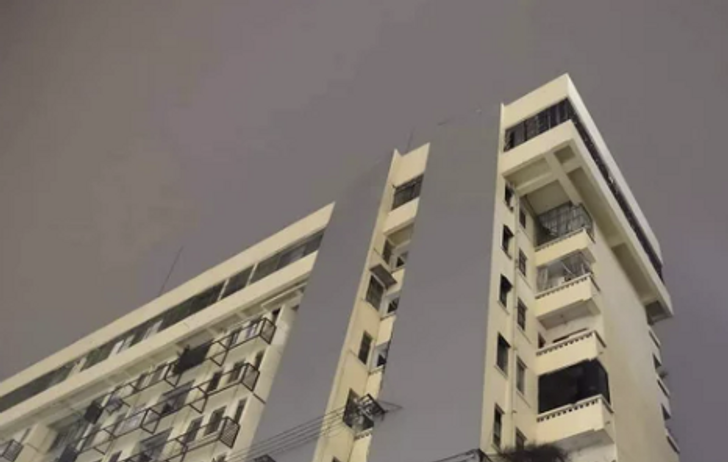
Here’s why they perform so well:
- They spark conversation – Everyone sees something different at first
- They invite interaction – “What do you see?” becomes the hook
- They create emotional reactions – Surprise, confusion, amusement
- They’re memorable – You don’t forget something that fooled you
In a world flooded with content, anything that slows people down—even for a few seconds—is incredibly powerful.

Breaking Down the Psychology Behind the Illusion
Our brains rely on shortcuts—what psychologists call “heuristics.” These shortcuts help us process information quickly, but they can also lead us astray.
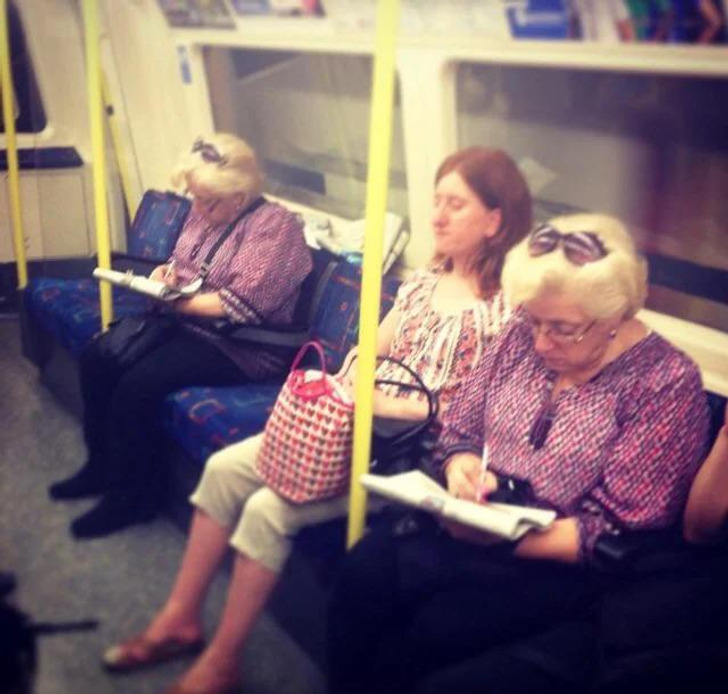
When we look at a confusing photo, several things happen:
- Our brain fills in missing information based on past experiences
- It prioritizes familiar patterns, even if they’re incorrect
- It assumes depth and distance without full context
So when a photo disrupts these assumptions, the brain essentially glitches for a moment. That glitch? That’s the confusion we experience.
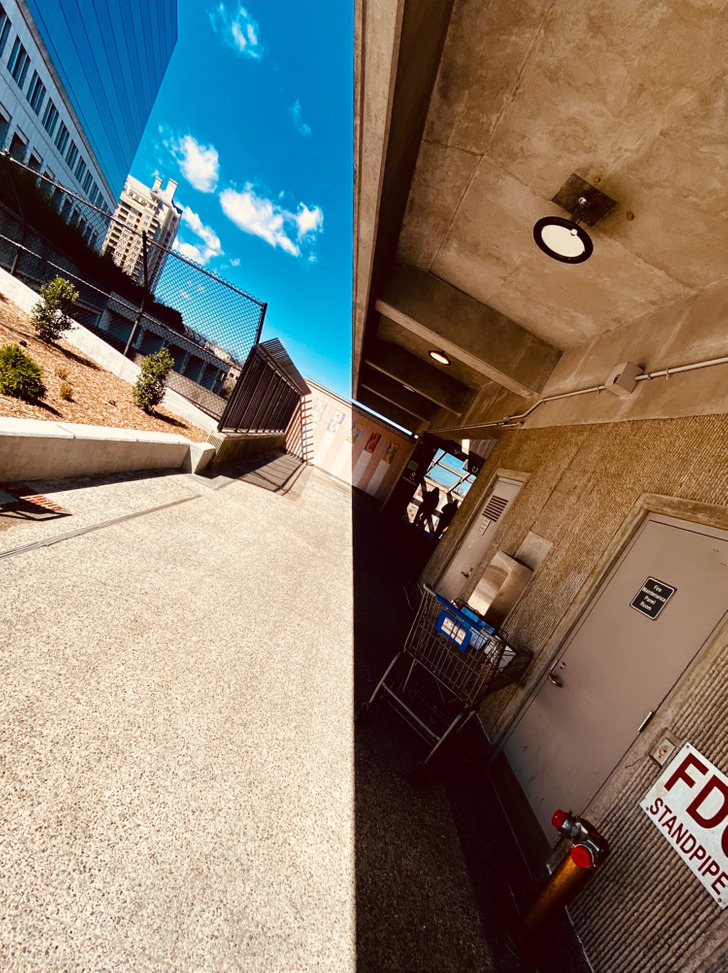
It’s like reading a sentence where the words are slightly scrambled—you can still understand it, but it takes extra effort. Confusing images work the same way, but visually.