Rewriting Beauty Standards in a World Obsessed with Thinness
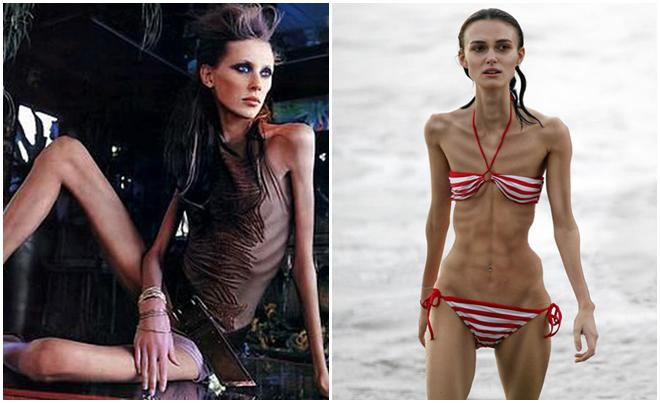
I still remember what it felt like to chase perfection like it was a finish line I could actually reach. Back then, my world revolved around discipline, control, and an unspoken rule: smaller meant better. If you’ve ever felt that pressure, you know exactly what I’m talking about. It’s subtle at first—just a thought here, a comparison there—but over time, it becomes a full-blown belief system.
As a teenage ballet dancer, I lived inside that mindset. Every movement, every meal, every mirror glance was filtered through one question: Am I thin enough? And the answer was never quite “yes.”
What started as dedication slowly turned into restriction. Breakfast became my only “safe” meal. The rest of the day? Silence. Hunger. Control. Six days of rigid discipline followed by one chaotic day of overeating. It was a cycle that felt punishing—and strangely rewarding at the same time.
At my lowest, I weighed just 37 kilos. My body looked exactly how the industry praised: sharp bones, hollow lines, fragile beauty. I wore those features like medals. But behind the scenes, I was exhausted, disconnected, and quietly falling apart.
The Dangerous Culture That Glorifies Fragility
Here’s the uncomfortable truth: I wasn’t alone. Not even close.
In industries like dance, modeling, and entertainment, there’s an unspoken admiration for fragility. And beyond those spaces, society often reinforces the same idea—especially for women. Thinness becomes more than a body type; it becomes a symbol of discipline, beauty, even worth.
Think about it. How often do we see headlines praising weight loss without questioning how it happened? How often do we equate “looking good” with “being smaller”?
Even now, I catch myself reacting to certain images. That conditioning runs deep. But with time, I’ve learned to pause and ask a better question: What’s the story behind that image?
Because more often than not, the “perfect” bodies we admire are fighting invisible battles.
When Media Reflects Real Struggles
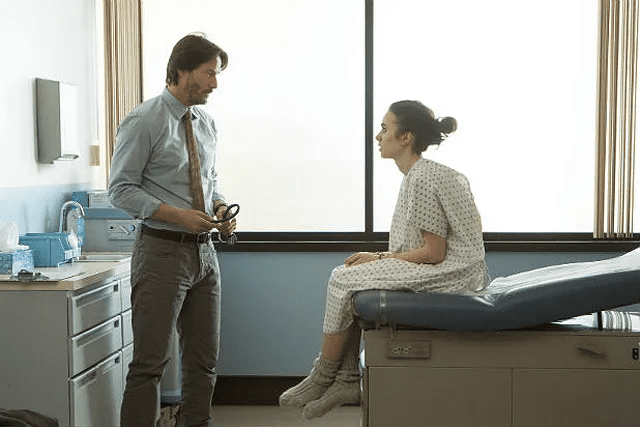
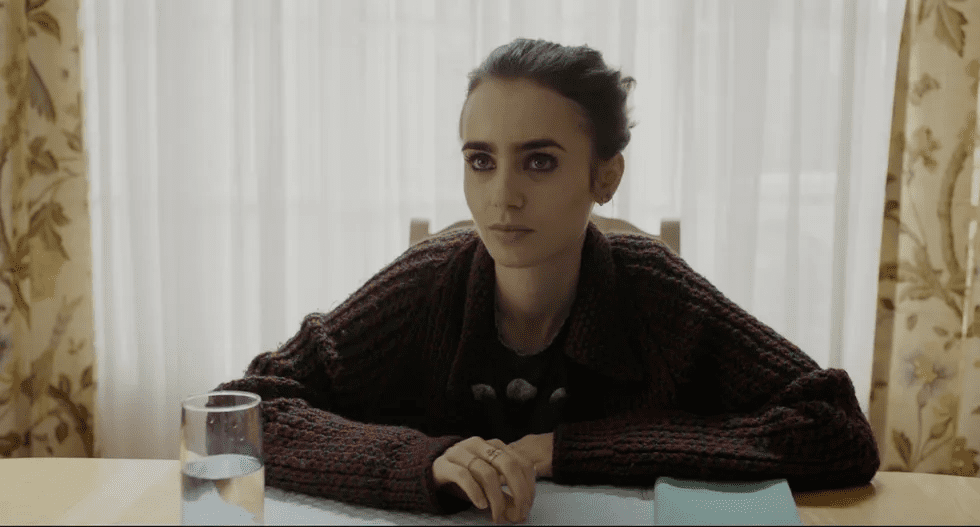
One film that captures this reality with striking honesty is To the Bone. It tells the story of a young woman navigating anorexia, portrayed with raw vulnerability and emotional depth.
What makes the film especially powerful is its authenticity. The creators and actors brought real-life experiences into the story, making it feel less like fiction and more like a mirror. And honestly? That’s what makes it so uncomfortable—and so necessary.
But there’s also a complicated layer here. When actors physically transform their bodies to portray such roles, it can unintentionally send the wrong message. It might look like something you can step into and out of, like putting on a costume.
The reality is far more serious.
Eating disorders aren’t phases. They’re not choices you can simply reverse. They are deeply rooted mental, emotional, and cultural struggles that can take years—sometimes lifetimes—to untangle.
Why Prevention Matters More Than Cure
If there’s one thing I’ve learned, it’s this: prevention is everything.
Healing isn’t just about changing eating habits. It’s about changing the narrative. The beliefs. The quiet messages we absorb growing up.
Imagine a world where girls aren’t taught to shrink themselves to be seen. Where beauty isn’t tied to a number on a scale. Where strength, confidence, and individuality are celebrated just as much—if not more—than appearance.
That kind of shift doesn’t happen overnight. It requires awareness, conversations, and yes, a bit of discomfort.
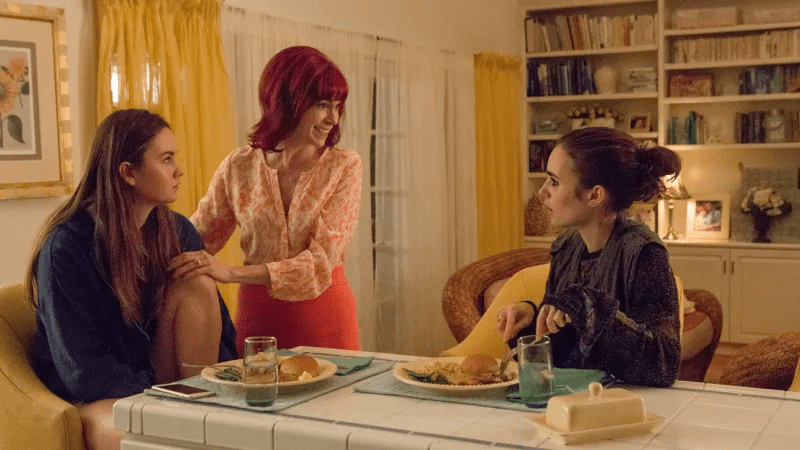
One of the most powerful moments in To the Bone is the inclusion of a character who doesn’t fit the stereotypical image of someone with an eating disorder. She isn’t extremely thin, yet she struggles just as deeply.
That matters.
Because it challenges a dangerous misconception: that eating disorders only look one way. In reality, they exist across all body types. They’re not about size—they’re about the relationship with food, control, and self-worth.
Breaking the Cycle: My Journey into Motherhood
Becoming a parent forced me to confront my past in ways I never expected.
When my daughter began experiencing her own ups and downs with weight, I found myself questioning everything. Had I unknowingly passed down harmful beliefs? Could I guide her toward a healthier mindset when I was still unlearning my own?
It wasn’t easy.
But slowly, I began to understand something important: growth doesn’t require perfection. It requires honesty.
I started shifting how I spoke about food, bodies, and self-image—not just with her, but with myself. And over time, a new truth began to take root:
Being underweight isn’t an achievement—it’s a risk.
Gaining weight isn’t failure—it’s part of being human.
That shift changed everything.
Redefining Beauty on Your Own Terms
Let’s be real—walking away from societal expectations isn’t simple. They’re everywhere: in ads, social media, conversations, even compliments.
But here’s the thing: you don’t have to accept every message you’re given.
Think of it like tuning a radio. Just because a station is loud doesn’t mean you have to listen to it. You can switch the channel. You can choose a different frequency—one that aligns with your values, your health, your happiness.
For me, redefining beauty meant letting go of rigid ideals and embracing something more flexible, more human. It meant appreciating what my body does, not just how it looks.
And honestly? That shift feels more freeing than any number on a scale ever did.
The Power of Honest Stories
Stories like To the Bone matter because they pull back the curtain. They show the reality behind the illusion. They remind us that what we often admire from a distance may carry a heavy, hidden cost.
But more importantly, they start conversations.
They give people permission to question, to reflect, to change.
And sometimes, that’s all it takes to begin healing.
Conclusion: Choosing Freedom Over Perfection
If there’s one takeaway from this journey, it’s this: perfection is a moving target. No matter how close you think you are, it will always shift just out of reach.
But freedom? That’s different. Freedom comes from acceptance—from choosing to value yourself beyond appearance, beyond expectations, beyond outdated ideals.
My path from obsessive thinness to genuine self-acceptance hasn’t been perfect. It’s been messy, slow, and full of setbacks. But it’s real. And it’s worth it.
Because at the end of the day, your worth isn’t measured in kilos, inches, or reflections. It’s measured in how fully you live, how deeply you feel, and how kindly you treat yourself.